The first step to creating my speakeasy is to create wood textures. Wood textures will be essential for creating models such as the floorboards, stools, shelves, cabinets, and the bar surface. I have decided to use mahogany, because this wood type works well in an art deco aesthetic.
To create the materials, I used Materialise to create texture maps, and implemented them using nodes similar to the ones in the previous detailed materials tutorial. I created two textures; One for the floorboards, and one for everything else that uses mahogany. At first, the textures looked dark, and I thought I had made a mistake when making them. However, this was due to lack of lighting, so I added a light and increased the brightness, which resolved the problem.
Overall, I found this technique effective, because the resulting materials are very detailed and aesthetically pleasing.


Upon further research, I have discovered that oak was a popular wood type used for flooring and furniture.
http://napervillehardwood.com/blog/wood-floors-in-the-1920s/
“There were a lot of changes and improved standards in residential home building. New materials and building methods meant houses were easier to heat and cool, were more hygienic, and far better suited to modern living.
Oak hardwood flooring really came into its own during this period.
New manufacturing processes meant better milled and more stable flooring was available (you can see an illustration of new milling techniques a few pictures below). Cool patterns like herringbone, chevron and basket weave were popular with wealthier homeowners… as well as parquet and strip flooring for ‘average’ homes.”
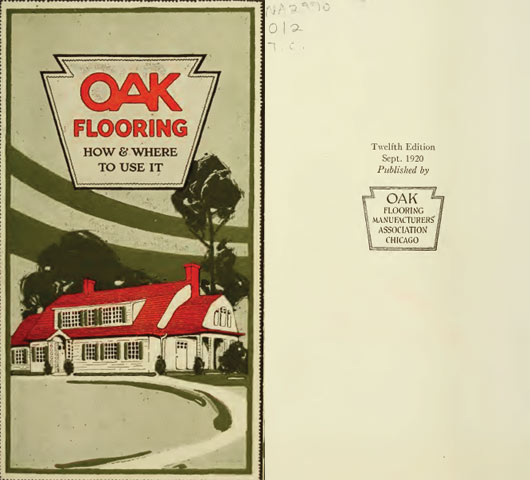
I have found some evidence to suggest that oak was a popular wood type used for furniture in 1920s America. For example, many pieces of furniture shown in this catalogue are oak. Because oak was a popular wood type in the 1920s, I will produce an oak texture for my models. 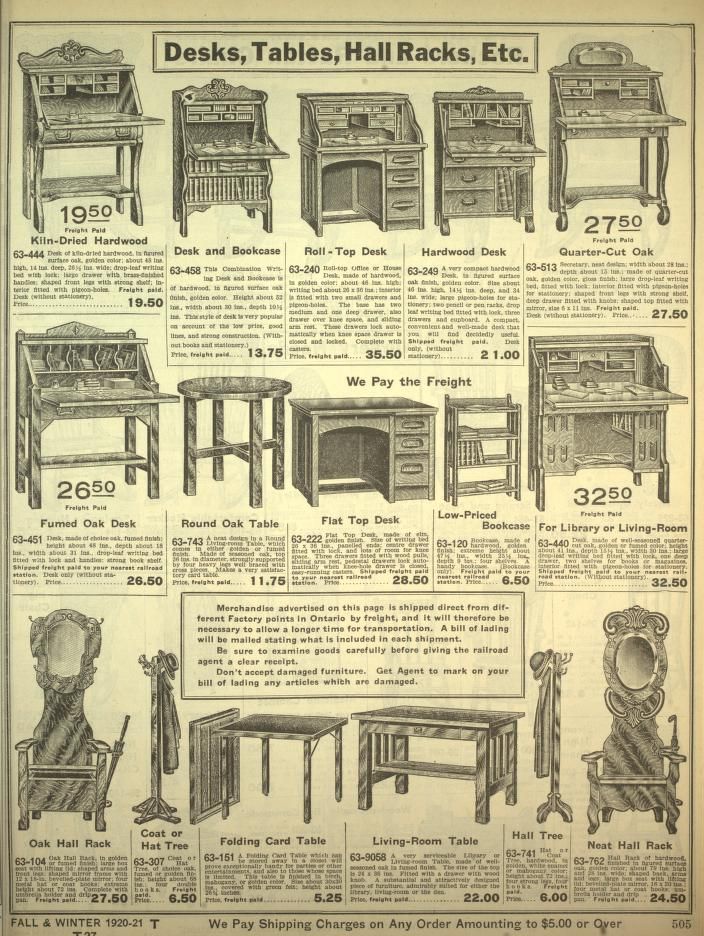

 Elliot's blog